
Guest article from londonhut.com.
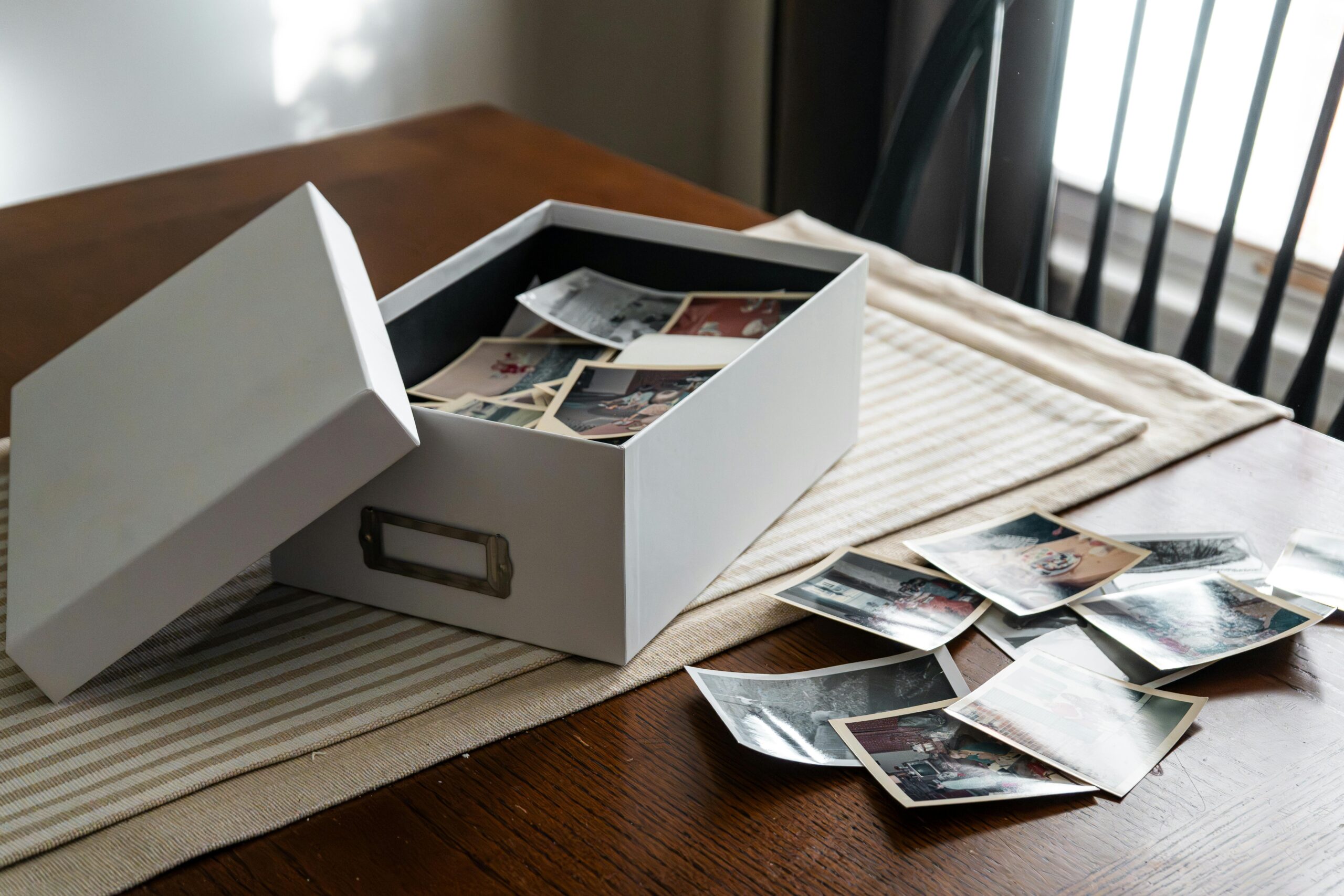
Photo By Pexels
A photograph can hold an entire lifetime.
For older adults, family photos are often more than decorations sitting in albums or frames; they are connections to memories, milestones, friendships, travels, celebrations, and loved ones who shaped their lives.
One picture can instantly bring back:
- a child’s graduation,
- a wedding day,
- a military service memory,
- a first home,
- or a family holiday from decades ago.
As families grow and technology changes, preserving these memories becomes increasingly important. Yet many seniors and caregivers discover that managing digital photos today can feel surprisingly overwhelming.
Large file sizes, confusing apps, cloud storage limits, and printing issues often make organizing treasured memories harder than it should be.
That’s why simple digital tools can make a meaningful difference.
The Modern Family Album Has Gone Digital
Many families now store photos almost entirely on phones, tablets, or computers instead of physical albums.
While digital storage offers convenience, it also creates new challenges:
- devices filling up too quickly,
- slow email attachments,
- photos becoming difficult to share,
- and accidental loss when phones are replaced.
For seniors trying to stay connected with children and grandchildren, oversized image files can become frustrating barriers.
Simple tools that reduce image file sizes can help older adults share memories more easily through email, messaging apps, or family cloud folders.
One easy option is the Toolonic Image Compressor, which helps reduce photo sizes while keeping the images clear and easy to view.
This can be especially helpful for seniors using older devices with limited storage space or slower internet connections.
Why Printed Photos Still Matter
Even in a digital world, printed photographs remain deeply meaningful for many older adults.
A framed family portrait on the wall often brings more comfort than scrolling through hundreds of forgotten phone images.
Research and senior wellness organizations frequently emphasize the emotional importance of memory, social connection, and familiar surroundings for healthy aging.
Printed photos can:
- encourage conversation,
- strengthen emotional connection,
- support memory recall,
- and help seniors feel surrounded by loved ones.
For individuals experiencing cognitive decline or loneliness, familiar family images can provide reassurance and comfort.
But preparing digital photos for printing is not always simple. Incorrect dimensions can cause blurry or poorly cropped prints, which can be disappointing when working with meaningful family memories.
User-friendly free online tools, like the Resize Image for Printing tool by WebYurt.com, can help families resize photos correctly before printing them into albums, greeting cards, scrapbooks, or framed keepsakes.
Technology Should Make Memories Easier; Not Harder
One challenge many seniors face is that modern technology often feels unnecessarily complicated. The good news is that preserving family memories does not require advanced technical knowledge.
With a few simple habits, older adults and caregivers can protect important photos for future generations:
- Organize photos into clearly labeled folders
- Back up images regularly
- Compress large files before sharing
- Resize important pictures before printing
- Create printed albums for special occasions
These small steps can prevent years of memories from becoming lost, inaccessible, or trapped on outdated devices.
A Legacy Worth Preserving
Family photographs tell stories that younger generations may never hear otherwise.
A single image can spark conversations about childhood homes, military service, grandparents, weddings, careers, or family traditions that deserve to be remembered.
Preserving those memories is not just about technology; it’s about legacy, identity, and connection.
As the world becomes more digital every year, making photo preservation simpler for seniors and caregivers is one of the most valuable gifts families can give themselves.