
Guest article provided by londonhut.com.
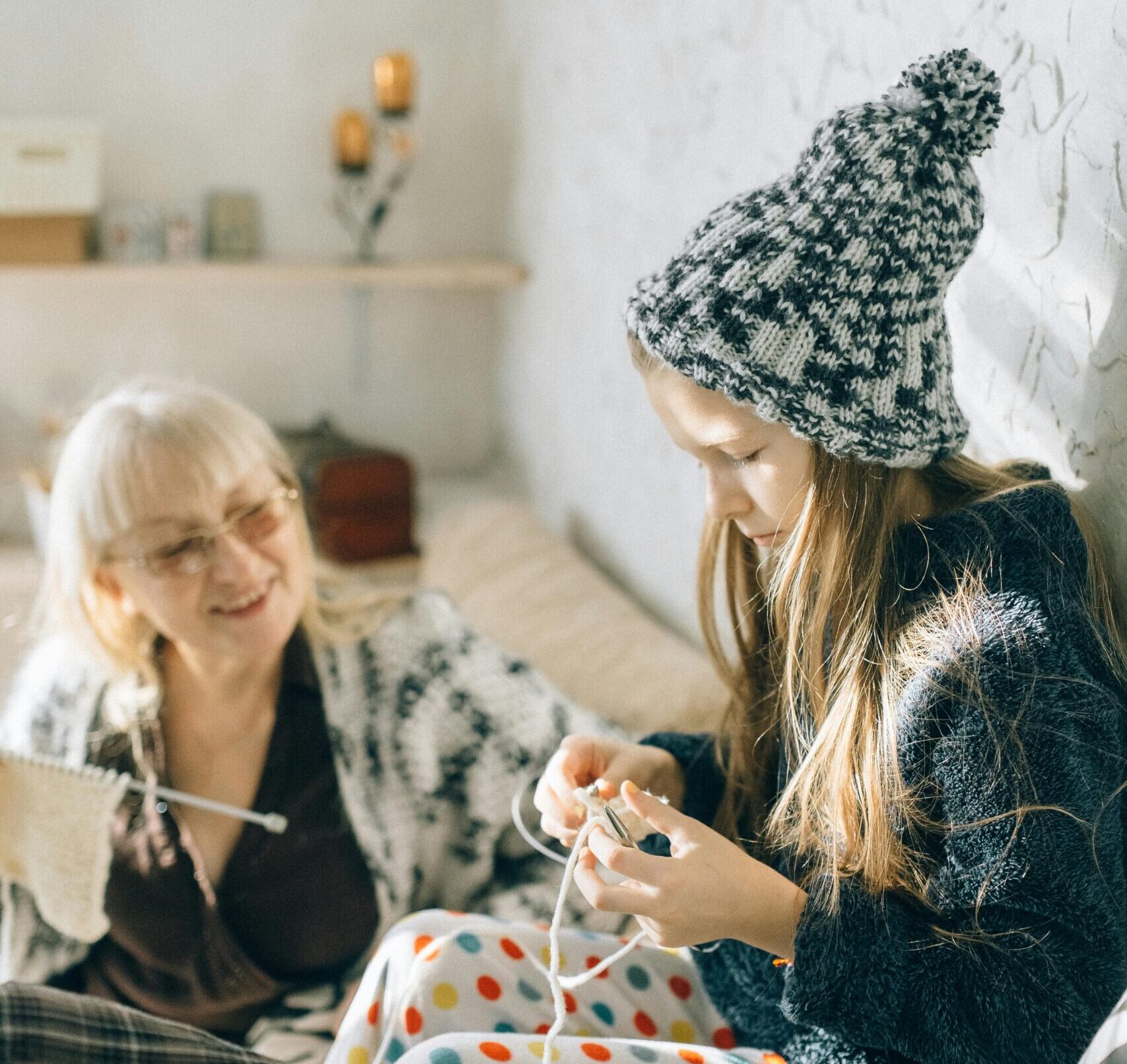
Photo By Pexels
Staying active and happy at home matters at every age. For many older adults, finding simple, enjoyable things to do is key to a good day. These activities help the mind and the hands stay busy. They bring a quiet joy and a sense of getting something done. You don’t need to move fast or learn complicated rules. The best pastimes are calm, creative, and fit right into your daily routine.
Let’s look at three popular activities. They are crochet, coloring, and scrapbooking. Each one offers a special kind of satisfaction. They can help with relaxation, keep your fingers nimble, and turn memories into something beautiful you can hold.
What You Need to Know First
- Creative hobbies support mental and physical wellbeing in gentle, powerful ways.
- Activities like crochet improve hand coordination and can be very calming.
- Coloring reduces stress and requires very few supplies to start.
- Scrapbooking preserves memories and encourages storytelling.
- Each activity can be done at your own pace, alone or with friends and family.
The Calm Joy of Crochet
Crochet is the art of making fabric with yarn and a single hook. You pull loops through other loops to create patterns. It might sound tricky, but it starts with just one simple stitch. Many people find the repeating motion very peaceful. It gives your hands something to do while your mind can rest or wander.
The benefits are clear. Crochet keeps your fingers and wrists moving. This can help maintain strength and flexibility in your hands. Following a pattern gives your brain a gentle workout. It asks you to pay attention and count stitches. But you can also just make a long, simple chain while you watch television. The best part is the result. You make something useful. It could be a warm blanket, a soft scarf, or a small gift for a new baby.
Starting crochet is easy. You only need two things to begin:
- A hook: A medium-sized hook, like one labeled 5.0 mm, is good for beginners.
- Some yarn: Choose a light-colored, smooth yarn. Avoid very dark or fuzzy yarns when you are learning.
You can find beginner kits and friendly video tutorials on sites like Yarn Palace. Look for a “beginner crochet kit” or “easy crochet tutorial” there. Start by learning the basic “chain stitch.” Once you know that, you can learn the “single crochet” stitch. These two stitches are the foundation for almost everything.
A good first project is a simple dishcloth or a small square. Don’t worry about mistakes. Every crocheter makes them. Sometimes, undoing your work (called “frogging”) is just part of the process.
Coloring for a Quiet Mind
Remember the quiet focus of coloring as a child? That feeling is still there. Adult coloring books have patterns with more details. These designs are often nature scenes, flowers, or geometric shapes. The act of choosing colors and filling in the spaces requires just enough focus. It helps you stop thinking about other things. This makes it a wonderful way to relax.
The health benefits are well-known. Coloring can lower stress. It lets you be creative without the pressure of drawing something from scratch. It’s a moment just for you, with no right or wrong way to do it.
You don’t need much. Here’s what works best:
- Coloring Books: Pick one with themes you enjoy, like gardens, animals, or patterns.
- Tools: Colored pencils are great for control. Gel pens or fine-tip markers give bright colors. Start with a small set of 12-24 colors.
Find a comfortable seat with good light. Put on some soft music if you like. Then, just start. You can stay inside the lines or color outside them. It’s your page. For a huge selection of downloadable coloring pages, visit Colouring Cave. They have designs for every taste.
You can color for ten minutes or an hour. It’s a perfect activity for a rainy afternoon or a quiet evening. You can frame your finished pages or use them as cheerful bookmarks or gift tags.
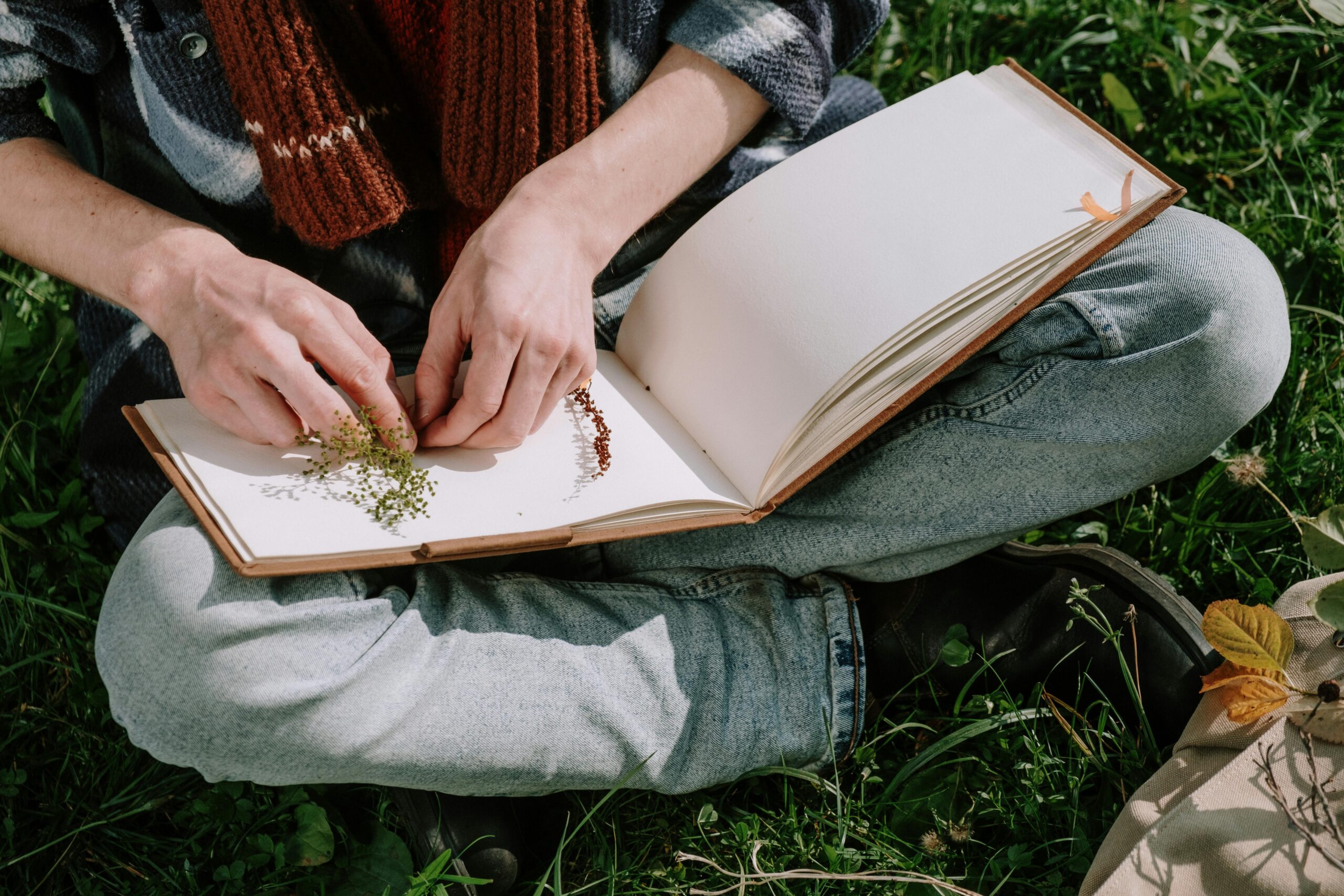
Photo By Pexels
Saving Memories with Scrapbooking
Scrapbooking is like making a photo album, but with more story. It’s a way to keep your pictures, ticket stubs, letters, and other small treasures in one beautiful book. You arrange them on a page and add words or decorations. This turns a box of old photos into a story you can share.
This activity is wonderful for the mind. It exercises your memory as you recall the stories behind each picture. It also lets you be artistic with colors, patterns, and layouts. Flipping through an old scrapbook can bring great happiness and spark conversations with visitors.
Starting a scrapbook does not need to be expensive or messy. Here is a simple list of basics:
- An Album: Get one with empty pages that lie flat.
- Acid-Free Glue: This kind of glue won’t damage your photos over time.
- Photos: Pick a few for your first page.
- A Pen: For writing dates, names, and little notes.
- Scissors: For trimming photos or paper.
Your first page can be about one event—a birthday, a holiday, or a family visit. Glue down a few photos. Write who is in them, the date, and a funny or happy thing you remember. That’s it! You’ve started.
If you want to try something even simpler and very creative, consider a “junk journal.” This is a homemade book where you can stick memories, write thoughts, and doodle. It uses bits and pieces you already have, like old postcards or nice wrapping paper. For a clear, step-by-step guide on making your first one, see this helpful tutorial from Ditsy Pixel.
Making Activity a Part of Your Routine
The key to enjoying these hobbies is to make them easy to do. Don’t let setting up become a big task. Keep your supplies in a basket or box you can carry to your favorite chair. Try to set aside a little time each day or a few times a week. Even twenty minutes is good.
Listen to your body. If your hands get tired, take a break and stretch your fingers. Change your position. The goal is enjoyment, not strain.
These activities can also help you connect with others. You can join a local craft group at a community center. You can video call a grandchild and color together. You can make a scrapbook as a gift that tells your family’s story. Sharing what you make doubles the pleasure.
Your Next Stitch, Color, or Memory
The value of a good day is immeasurable. These hobbies—crochet, coloring, scrapbooking—are tools for building them. They fill hours with purpose and leave you with something to show for it. They exercise your mind and your hands in the gentlest ways. They turn quiet time into creative time.
The best step is the first one. Pick the activity that caught your eye the most. Gather just the few supplies you need to begin. Sit down, and take the first action. Make one crochet chain. Color one section of a pattern. Glue one photo to a page.
Then do a little more tomorrow.
Questions People Often Ask
Is crochet hard to learn for someone with arthritis? It can be very manageable. Start with a larger, ergonomic crochet hook which is easier to hold. Use a soft, thick yarn. Work for short periods, like 15 minutes at a time, and gently stretch your hands afterwards. Many people find the gentle motion actually helps with stiffness.
What if I’m not good at choosing colors for coloring or scrapbooking? Don’t worry about it. Look at things around you for ideas—a flower, a magazine picture, or a painting you like. Copy the color combinations you see. Many coloring books also suggest color palettes. In scrapbooking, using photos as your main color guide always works well.
I have so many photos. Scrapbooking feels overwhelming. Where do I start? Don’t try to do all your photos. Start with your very favorite recent event. Use just 3-5 pictures from that one day. Complete one page. This makes the project small, manageable, and fun, not a big chore.
Are these hobbies expensive to start? No, they can be very low-cost. Start with a minimal kit: one crochet hook and one ball of yarn, one coloring book and a small pencil set, or one scrapbook and a glue stick. You can always add more supplies later if you enjoy it.